Build a better mousetrap, and the world will beat a path to your door. - Ralph Waldo Emerson
It sounds great.
It is also terrible business advice.
Because history is littered with exceptional products that never had a path beaten anywhere near their door.
Products that were beautifully engineered.
Products that lasted longer.
Products that performed better.
Products created by people who genuinely believed that if the work was good enough, eventually somebody would notice.
Sometimes they do, Often, they don’t.
And sitting quietly inside the history of the humble mousetrap is a pretty good example of why.
The “Better” Mousetrap
Years ago, companies connected to the McGill name manufactured an assortment of industrial products, including an all-steel mousetrap.
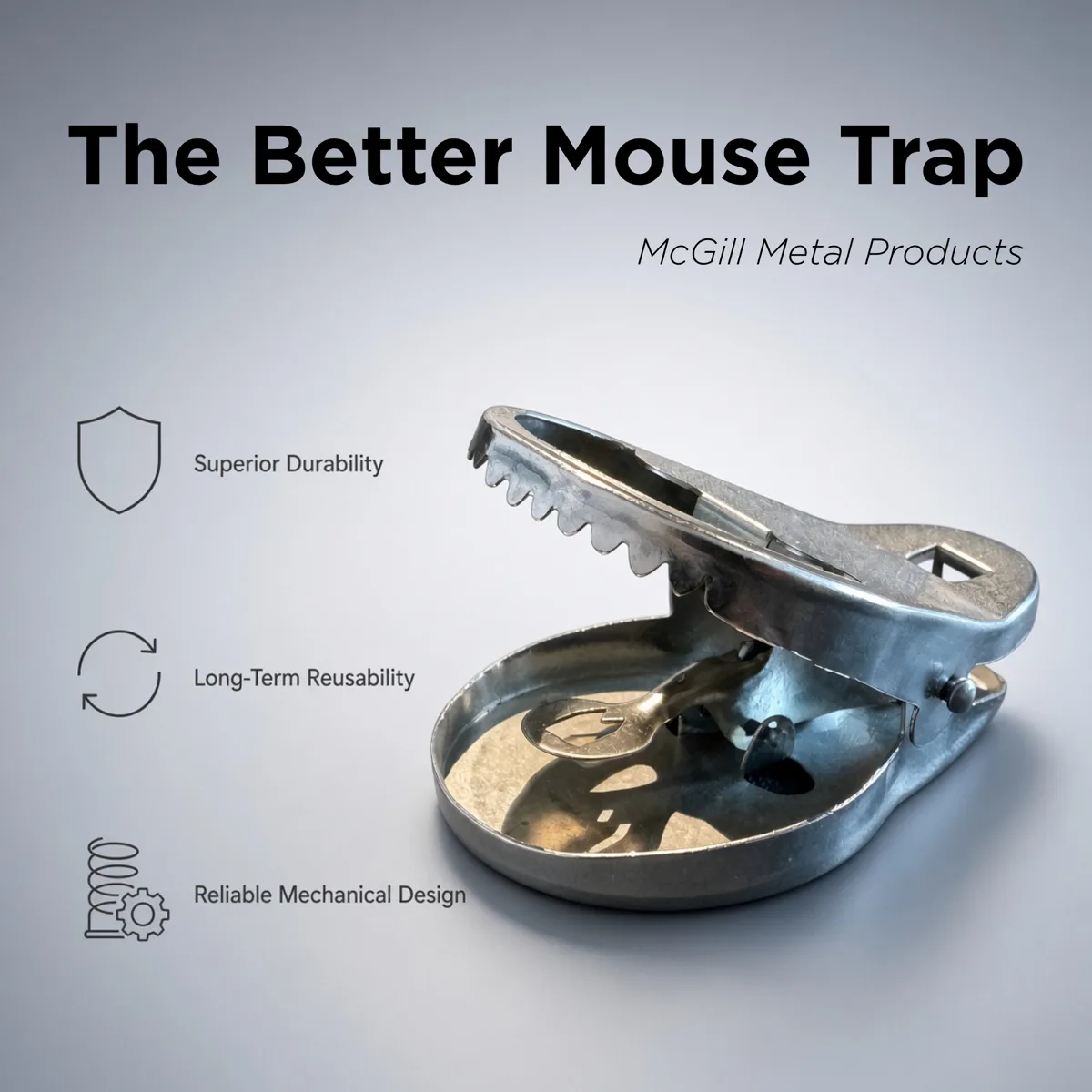
You can still find them today.
Usually not at your neighborhood hardware store... On eBay.
In antique collections.
In mousetrap museums.
They are fascinating little pieces of engineering.
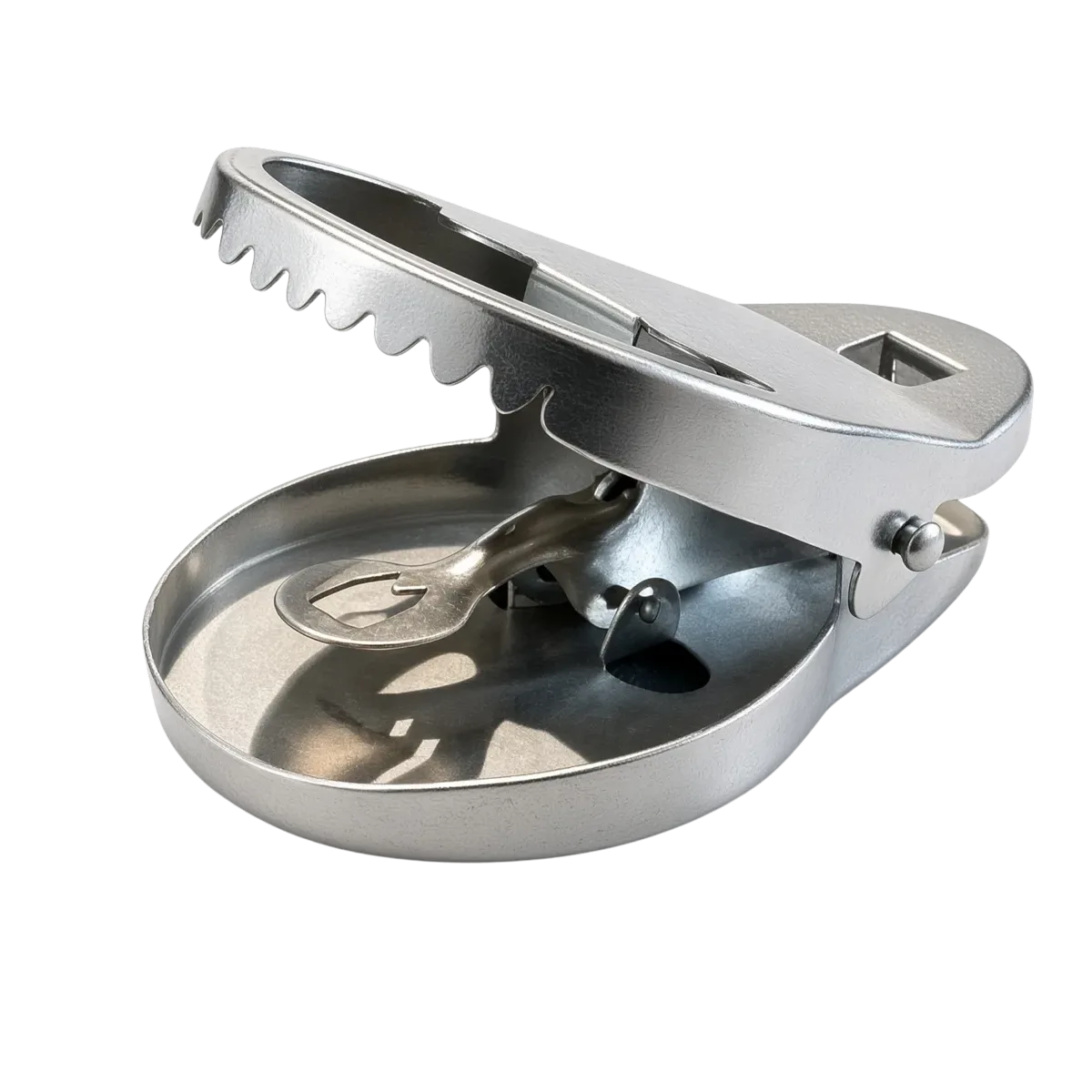
Heavy, Mechanical, Industrial.
Made from steel in an era when the mousetrap most Americans recognize was (and still is) essentially a small rectangle of wood, a spring, a bar, and a trigger.
McGill even produced traps under the wonderfully confident name “Can’t Miss.”
That’s a pretty good name for a mousetrap.
And by many accounts, these things were serious pieces of hardware. Vintage versions are still floating around decades later, some apparently capable of doing the exact job they were built to do.

Meanwhile, another mousetrap became synonymous with the category, Victor.
The basic Victor-style snap trap has been around in recognizable form for well over a century. It is simple. Cheap. Familiar. And extraordinarily successful.

The interesting question isn’t whether McGill built a good mousetrap.
The more interesting question is...
If you build a better mousetrap and nobody understands why it matters, did you really build a better product?
That question has almost nothing to do with mice.
And everything to do with your business.
Quality Is Not a Marketing Strategy
Business owners love to say things like:
“Our work speaks for itself.”
I understand the sentiment.
I just don’t agree with it.
Your work does not speak for itself.
Your work needs a translator.
That translator is your brand.
You may build the best homes in your market.
You may manufacture the most comfortable mattress.
You may be the most thoughtful financial advisor.
You may make an unbelievable cheeseburger.
You may provide better service than every competitor within 100 miles.
None of that guarantees people will know.
Quality is what happens after someone chooses you.
Brand is one of the reasons they choose you in the first place.
And confusing those two things can be expensive.
Customers Cannot See What You Know
This is one of the most frustrating realities for entrepreneurs.
You know the difference.
Your customer often doesn’t.
You know why your material costs 30% more.
You know why your manufacturing process takes three extra days.
You know why you refuse to cut a particular corner.
You know why your team answers the phone differently.
You know why your product lasts twice as long.
You know what happened ten years ago that caused you to say:
“We will never do it that way again.”
The customer knows none of that.
They see two companies.
Two websites.
Two proposals.
Two products sitting beside one another.
And then we become frustrated when they compare price.
Of course they compare price.
You haven’t given them anything else to compare.
That is the job of storytelling.
Story Creates Context
Good branding isn’t decoration.
It isn’t a logo.
It isn’t a clever tagline.
It isn’t a set of hex codes sitting in a Canva brand guide.
Branding is context.
It helps someone understand what they are looking at.
Imagine putting the McGill metal mousetrap beside a traditional wooden snap trap without explaining anything.
One is metal.
One is wood.
One may cost more.
Now imagine someone explaining the engineering behind it.
Why the material was chosen.
What problem the designers were trying to solve.
How long the trap could last.
Who built it.
Where it was built.
Why its mechanism was different.
Suddenly you aren’t looking at two mousetraps.
You are looking at two different ideas.
That’s what story does.
It doesn’t change the product.
It changes what the product means.
The Curse of exceptional quality.
Ironically, some of the companies that struggle most with storytelling are really good companies.
Bad companies know they need marketing.
Great operators sometimes believe they don’t.
They have survived through reputation.
Referrals.
Relationships.
Craftsmanship.
Someone tells someone.
They tell someone, who tells someone else.
And for years, that works.
Until it didn’t.
A new competitor enters the market.
Their product isn’t better.
But their website is.
Their story is clearer.
Their photography is better.
Their customer experience is easier to understand.
Their founder is visible.
Their message is memorable.
And suddenly the business owner who has spent years perfecting the craft watches customers choose an inferior product.
That can feel incredibly unfair.
It isn’t.
The competitor simply understood something important:
Value that cannot be communicated is almost indistinguishable from value that doesn’t exist.
Storytelling Isn’t Bragging
This is another place good business owners get uncomfortable.
They don’t want to brag.
Good, Don’t.
Bragging is:
“Look how amazing we are.”
Storytelling is:
“Here is why we do it this way.”
Those are completely different conversations.
One focuses attention on the company.
The other helps the customer understand the company’s choices.
Tell me why your grandfather started the business.
Tell me why you use that material.
Tell me why you stopped offering that service.
Tell me why you guarantee your work.
Tell me about the customer complaint that changed your process forever.
Tell me why you opened the doors.
Tell me what you believe your industry gets wrong.
Tell me what you refuse to compromise.
That’s branding.
And the funny thing is, most business owners already have these stories.
They just don’t recognize them as marketing.
Your Competitor May Not Be Better
This is worth remembering.
When a competitor grows faster than you, gets more attention than you, or seems to dominate your market, the immediate assumption is often:
They must be better.... Maybe.
But maybe they are simply easier to understand.
Clarity is an extraordinary competitive advantage.
Customers rarely have enough information to objectively determine who produces the best product.
So they use signals.
Reputation.
Design.
Language.
Reviews.
Stories.
Consistency.
Confidence.
Familiarity.
All of these things help answer the question every customer is quietly asking:
Can I trust you?
A strong brand helps them answer yes before they ever experience the product.
Build the Mousetrap. Then Tell Me Why.
None of this means product quality is unimportant.
Quite the opposite.
Storytelling without substance eventually collapses.
You cannot brand your way out of a bad product forever.
The goal isn’t to replace craftsmanship with marketing.
The goal is to connect them.
Build something remarkable.
Then explain why it is remarkable.
Create a better experience.
Then help people understand what makes it different.
Develop a better process.
Then tell the story of why that process exists.
Care more.
Then make that care visible.
Because somewhere right now there is probably a business owner quietly building the equivalent of a steel mousetrap.
Thoughtful.
Durable.
Beautifully engineered.
Better in ways the customer may never notice.
And somewhere down the street is another company selling the wooden one.
Their product might not be better.
But their story is clearer.
And the world isn’t beating a path to the best mousetrap.
It is beating a path to the mousetrap it understands.
So yes, Build the better mousetrap.
Just don’t stop there.
Tell people why it’s better.
Because quality can make you worth choosing.
Story helps people realize it.